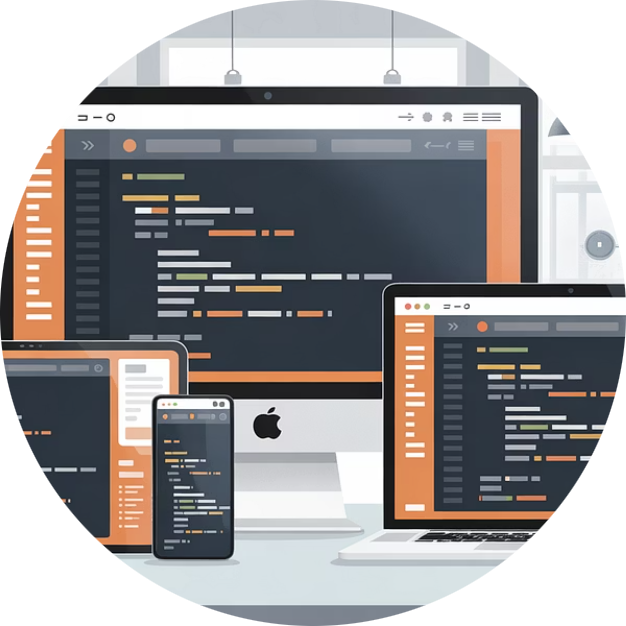
Live Production Visibility
Track machines, lines, utilities, and asset health through dashboards that keep operating details current.

Industrial Automation
Design, deployment, and scale-up of connected automation systems for monitoring, control, predictive maintenance, energy optimization, and continuously updated operational insights.
Business Benefits
Track machines, lines, utilities, and asset health through dashboards that keep operating details current.
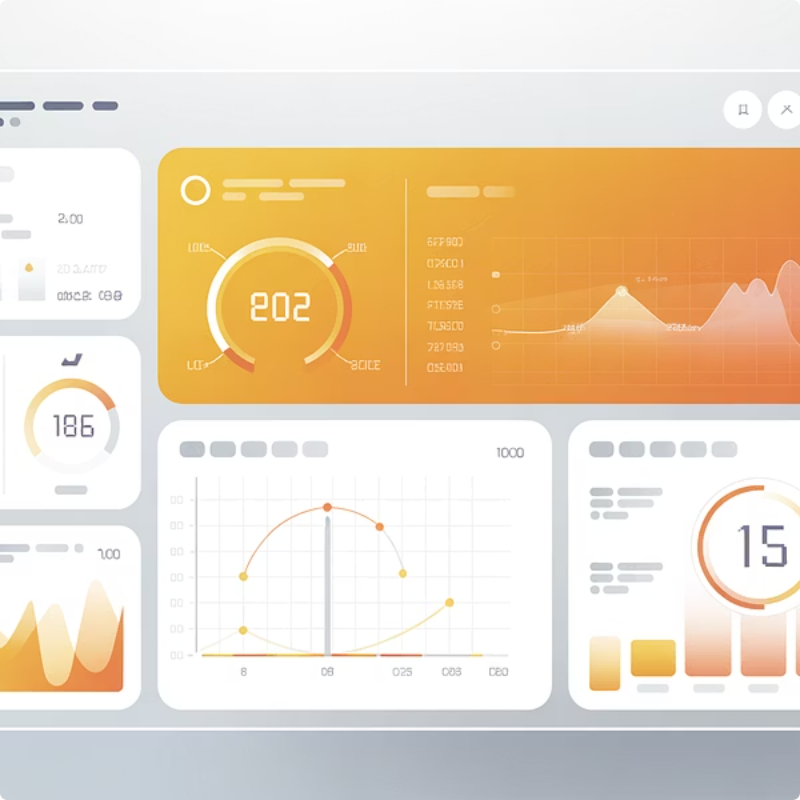
Reduce wastage with usage analytics, threshold alerts, and automation policies for high-consumption assets.
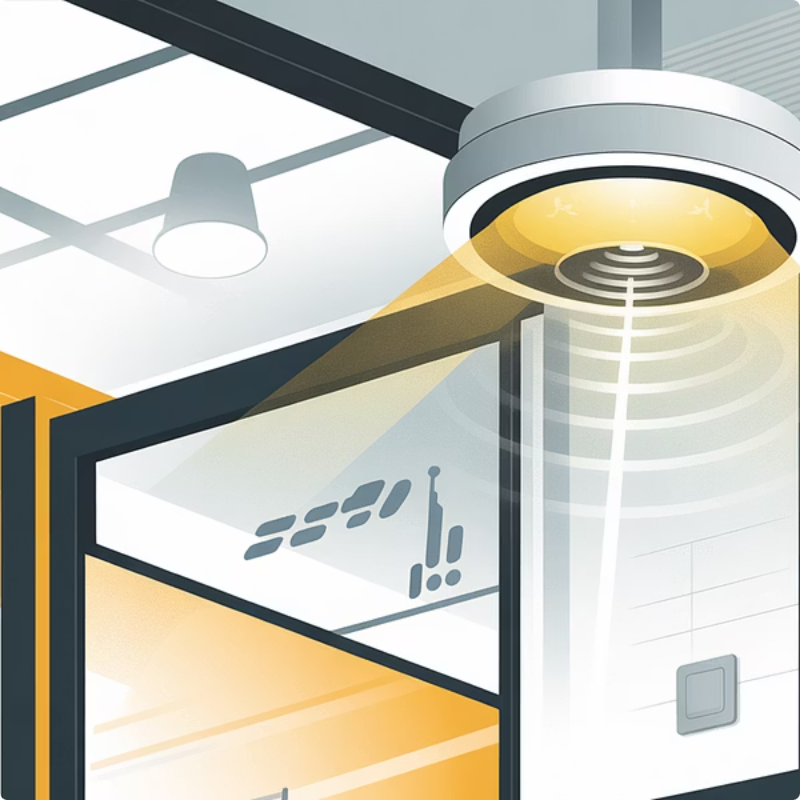
Use human-approved AI recommendations to update alerts, reports, shift handovers, and next-best actions.
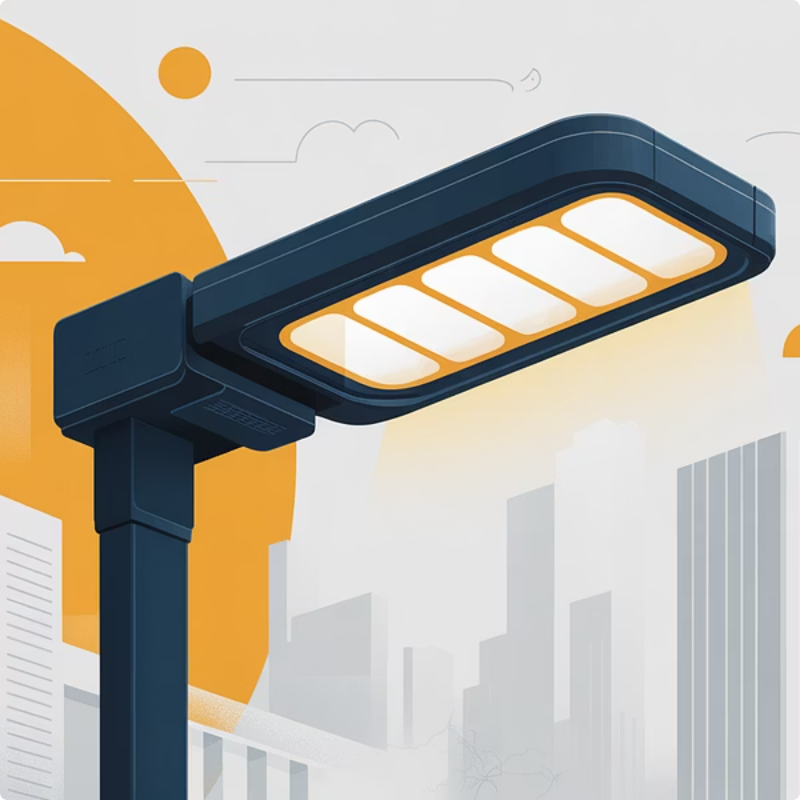
Detect anomalies early, prioritize maintenance, and trigger response workflows before failures escalate.
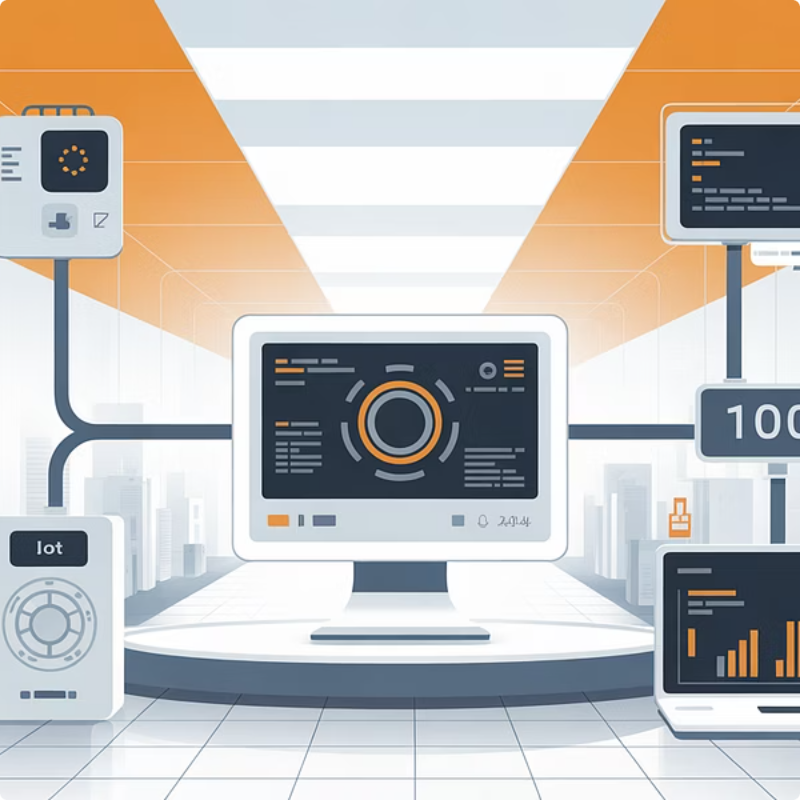
Manage distributed machinery, lighting, utilities, and field systems through role-based control panels.
Build secure foundations for industrial IoT, edge analytics, cloud dashboards, and AI optimization.
Market Demand
Manufacturers are prioritizing smart operations, AI-assisted decisions, robotics readiness, and secure IT/OT connectivity to improve productivity, uptime, and resilience.
Deloitte’s 2026 outlook highlights continued investment in automation hardware, sensors, data analytics, cloud, and agentic AI as competitiveness drivers.
Rockwell Automation reports AI and cloud/SaaS among top technology investments, with manufacturers using smart data for quality and performance improvements.
The International Federation of Robotics reports factory robot demand has more than doubled over the last decade, showing long-term appetite for automation.
Market signals referenced from Deloitte Insights, Rockwell Automation, and IFR World Robotics.
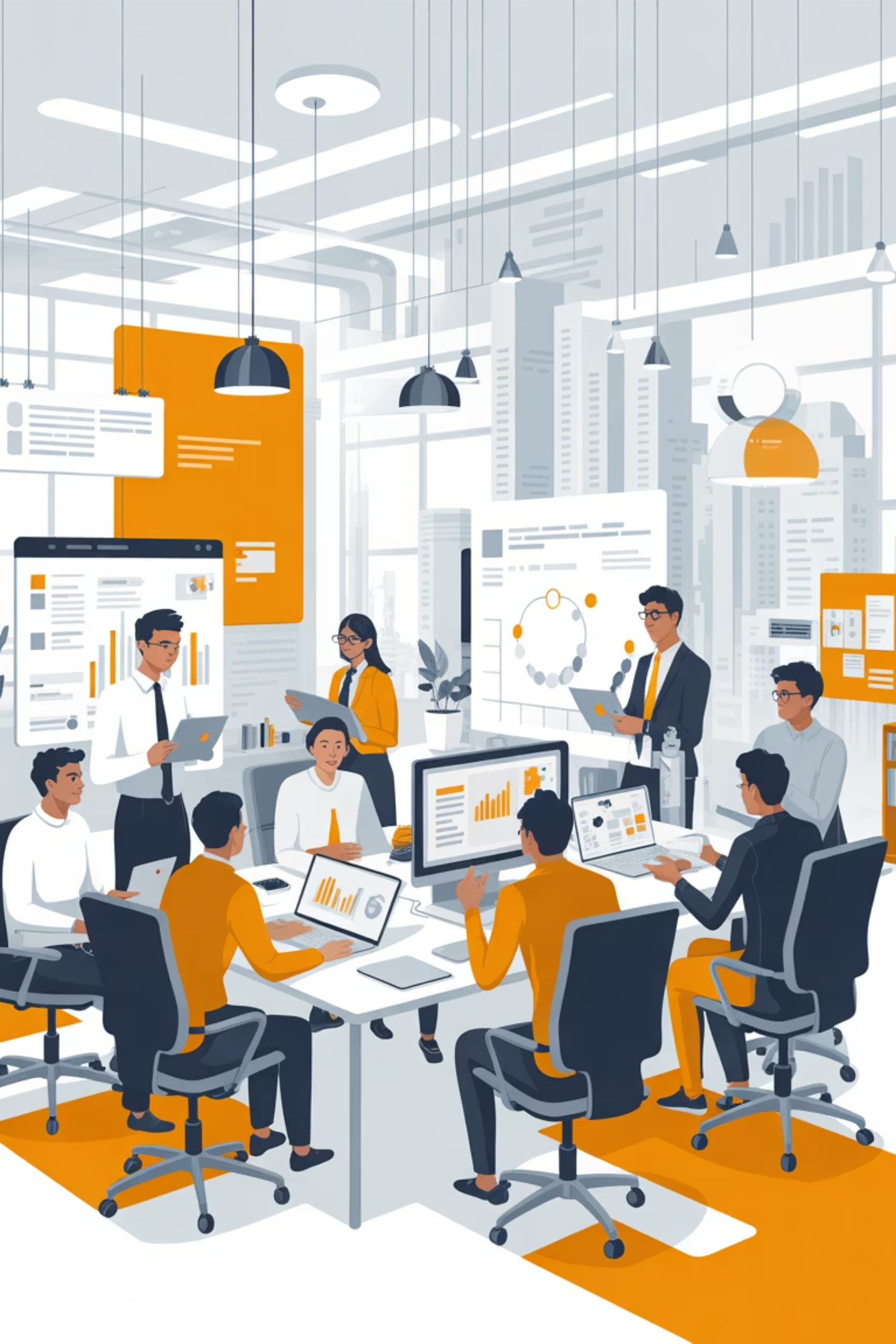
Capabilities
AI-Managed Automation
Collect machine status, sensor readings, utility usage, alarms, service logs, and operator inputs in one reliable data layer.
Use AI to detect unusual patterns, update operational summaries, suggest maintenance actions, and surface risks early.
Trigger approved workflows, notifications, work orders, and control rules while keeping humans in the loop for critical actions.
Share your process, equipment, and operational constraints. We will propose an implementation roadmap with scope, timeline, integrations, and expected benefits.
Talk to ExpertIndustrial Automation FAQ
Yes. Cypher can review existing machines, sensors, gateways, panels, and systems, then define the best integration path.
Yes. Monitoring dashboards, alerts, reports, control rules, and user roles can be tailored to your operating model.
Yes. The architecture can be designed so forecasting, anomaly detection, quality monitoring, and AI-managed updates can be added over time.
Related Services